TYPES OF FIBRE
Types of Fibre – It Takes All Sorts
Home Baking
A quick guide to some ingredient options for creating higher fibre breads at home.
As discussed elsewhere on the site, fibre is an incredibly complex nutrient, and equally the world of higher fibre ingredients is one of huge diversity. When it comes to classifying fibre in terms of health, solubility is considered less of a factor than it used to be. But when we are thinking about how fibre might impact on a bread recipe, solubility is still extremely important. More soluble fibres are likely to be easy to incorporate, but less soluble ones can have a variety of useful impacts, meaning that finding a balance is key.
For home bakers, creating a high fibre bread recipe can be a challenge, often resulting in products that are less soft and not as delicious. But a better understanding of ingredients available can help create improved textures and flavours.
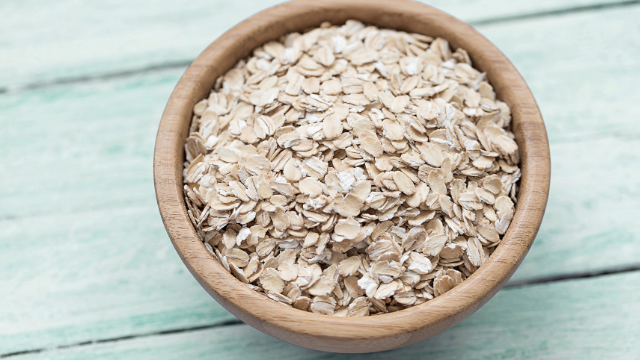
It is possible for home bakers to source a variety of interesting fibre ingredients, some of which are listed below. But it is important to remember that adding a powered fibre might not be the only approach to boosting levels in a finished product. The first port of call is often replacement of refined white flours with one or more wholegrain ingredients. Substituting wholegrain wheat, barley, oat flakes, pulse flours or seeds for some or all of the refined white flour in a dough can boost fibre in a simple, cost-effective way. This is likely to be the easiest and healthiest way to increasing fibre in a product, but does not always get the results people want, especially when they are after a soft white bake. When this is the case, some more refined fibre ingredient options are outlined below –
1. Brans – One of the cheapest ways to add fibre is to include ingredients such as wheat bran or oat bran. These contain lots of insoluble fibre, but will have an impact on the appearance, taste and texture of foods.
2. Insoluble Fibres – There are several sources of highly insoluble fibre, but the easiest to buy are oat fibre and bamboo fibre. These are highly refined white fibre powders, available from specialist and health food shops or online. Although they are largely colourless and flavourless, they will add texture, making dough harder and binding about three times their weight in water, meaning that extra water will have to be added. This water binding can help prevent breads from drying out over life.
3. Fruit Fibres – Fruit fibres such as apple or citrus fibre are slightly harder to buy but are available from many specialist and health food stores or online. They are useful in bread doughs for forming soft gels, so binding water without the same level of hardness as the insoluble fibres above. This can help make a soft, high fibre bread that does not dry out too quickly. Before incorporating into a dough, fruit fibres will generally need to be mixed with water in a high-speed blender to create a gel.
4. Soluble Fibres – Chicory inulin is one of the most commonly available soluble fibres in both liquid and powder form, again from specialist and health food shops or online. Powdered corn fibre is also increasingly available. Both are highly soluble and easily incorporated into dough to help make soft, white, fibre enriched breads.
5. Technical Fibres – There are many useful technical fibres available to buy online or from specialist shops, including carrageenan, methylcellulose, psyllium husk, alginates, and gums. These are used for a variety of reasons in recipes, largely for forming gels and structure. Many are used in bread formulations, particularly in gluten free formulations to replace structure and elasticity.
Although wholegrains and brans are probably the best place to start for creating high fibre recipes at home, sometimes a softer bread is preferred and experimenting with the above options can give a skilled home baker some different approaches to creating healthier, higher fibre, white bread recipes. For further information and some bakes to try at home, see our recipe section.
About the Author
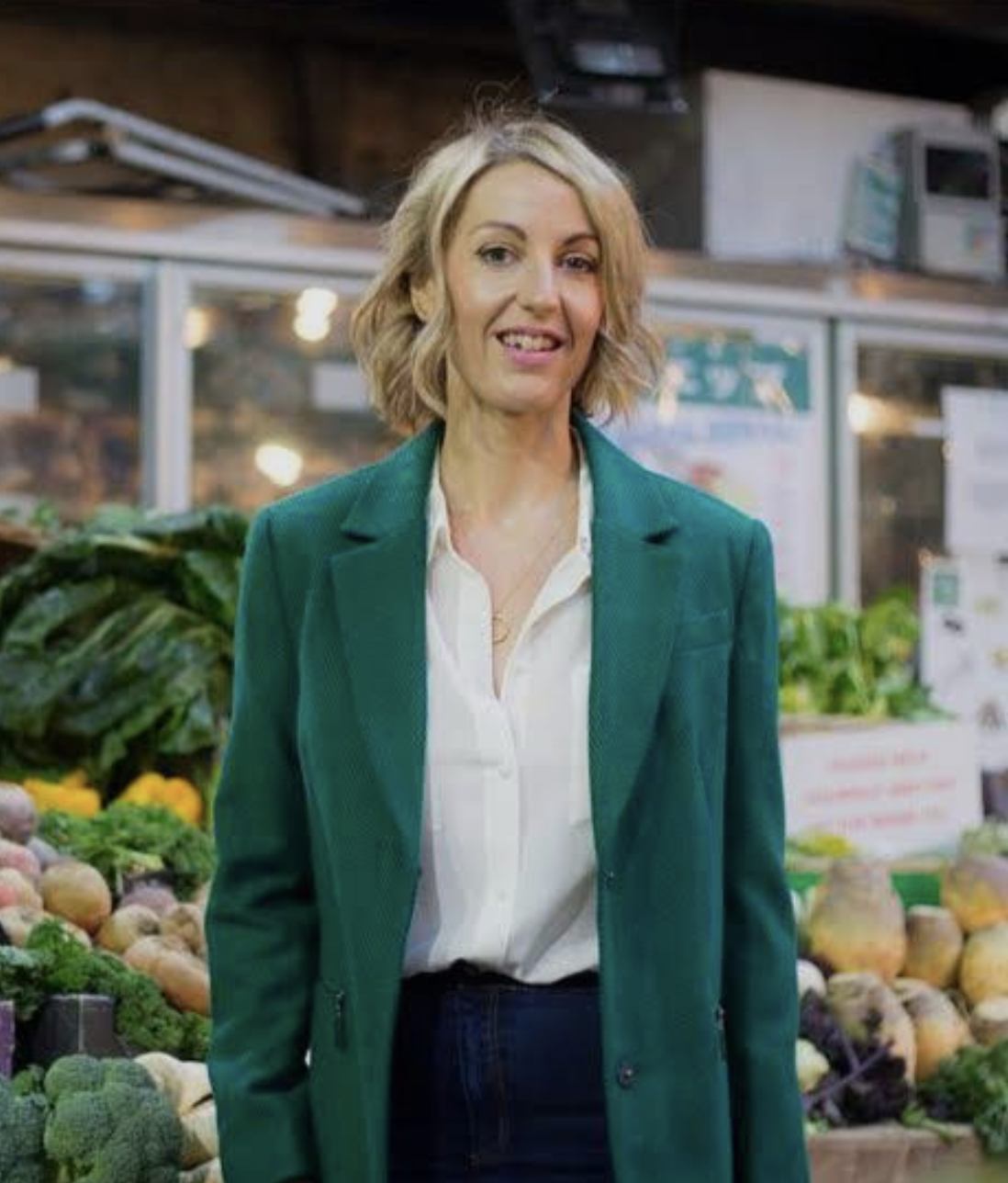
Claire Baseley is an award-winning Registered Nutritionist with more than 20 years of experience in nutrition, food science and health communications. She holds a degree in Biological Sciences from the University of Oxford and a Master's in Human Nutrition from the University of Sheffield, combining scientific expertise with extensive commercial experience across the food industry.
Claire has worked with leading food brands, healthcare professionals and the media, translating complex nutrition research into practical, evidence-based advice that consumers can trust. Her specialist interests include bread and grains, dietary fibre, gut health, sustainable nutrition and public health, and she is passionate about helping people separate nutrition myths from scientific fact. Through Breadology, Claire brings together the latest research and clear, accessible writing to celebrate one of the world's oldest and most important foods.
Unlock our other articles.
-
![]()
Beta Glucans
Click here for more information on beta glucans
-
![]()
Types of fibre
Discover more about the types of fibre here
-
![]()
Fibre in action
Swaps and additions. We discuss Fibre in Action here
-
![]()
Food microstructure
Read our latest article on food microsturcture here
-
![]()
Pulse flours
Unlock the power of pulse flour here
-
![The history of bread]()
The history of bread
Click here for our latest discusion on the history of bread
-
![]()
Health benefits of fibre
Further information on the health benefits of fibre here