
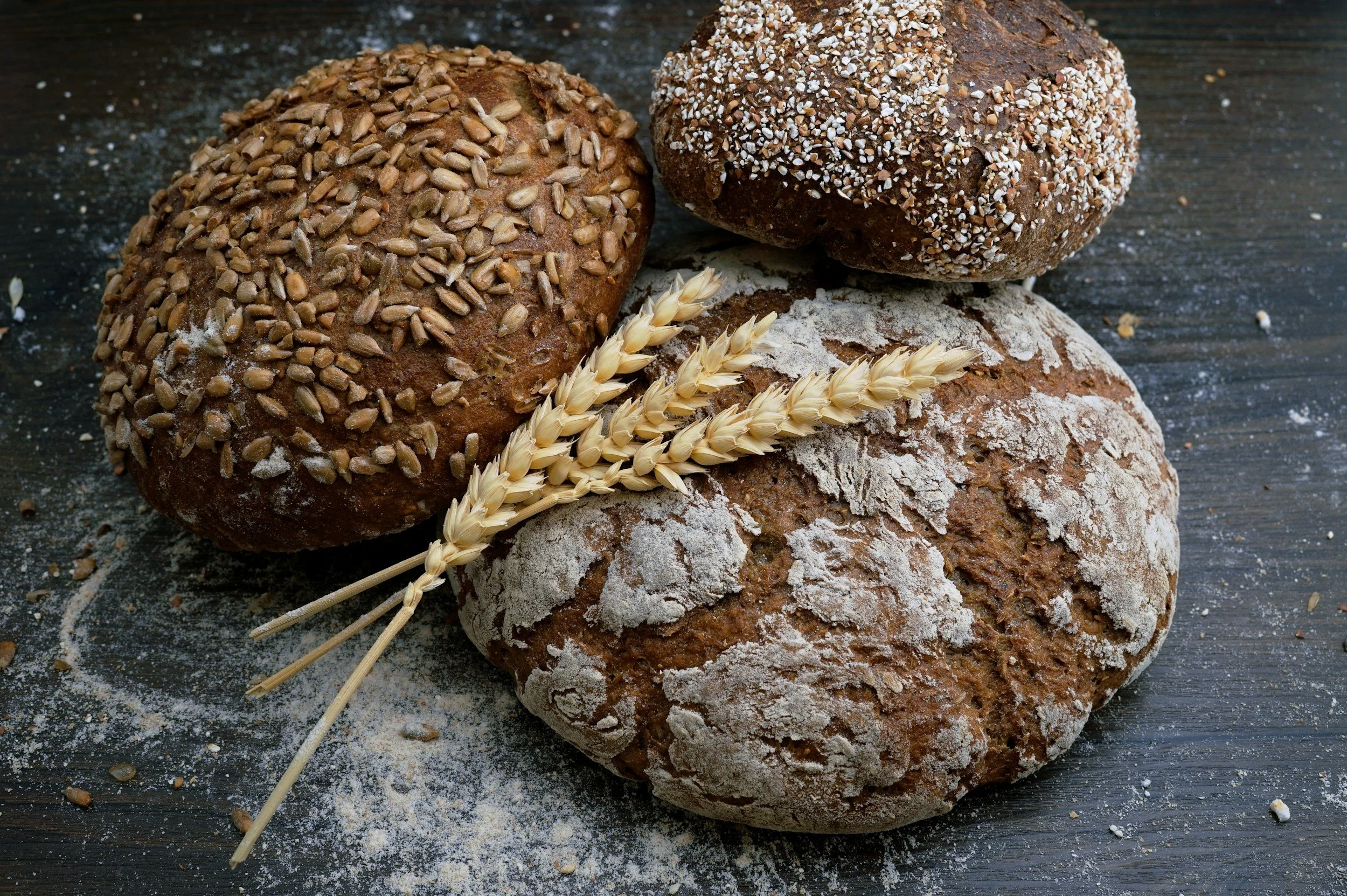
TYPES OF FIBRE
Types of Fibre – It Takes All Sorts
A quick guide to the types of fibre used by food industry professionals to make healthier bread products.
As discussed elsewhere on the site, fibre is an incredibly complex nutrient, and equally the world of fibre ingredients is one of huge diversity. When it comes to classifying fibre in terms of health, solubility is considered less of a factor than it used to be. But when we are looking at how a particular fibre ingredient might impact a food product, solubility is still extremely important. More soluble fibres are likely to be easy to incorporate into formulations, but less soluble ones can have a variety of different impacts and functionalities, meaning that finding a balance is key.
For product developers, adding fibre can seem like a challenge, often resulting in products that are less delicious and more expensive. But a better understanding of the different ingredients available can open up a world of possibilities, offering a variety of functionalities, methods of cost reduction and cleaner label approaches to many product development challenges.
There are a few broad categories of refined fibres available to developers. But it is important to remember that adding a high fibre ingredient might not be the only approach to boosting fibre levels in a finished product. The first port of call is often replacement of existing ingredients with wholegrain or higher fibre options. Ingredients such as wholegrain wheat, barley, oat flakes, pulses and seeds can be substituted for more refined, low fibre options such as white flour or other starches, boosting fibre in a healthy, cost-effective way. Generally speaking, this is likely to be the cheapest and healthiest way to increase fibre in a product, but it is not always practical or sufficient to get the fibre levels required. When this is the case, some other options are outlined below –
1. Brans – One of the cheapest ways to add fibre is to include physically refined ingredients such as wheat bran or oat bran. These contain lots of insoluble fibre and will have an impact of the appearance, taste and texture of foods, adding colour and hardness.
2. Insoluble Fibres – There are several sources of highly insoluble fibre, but the most popular and commercially available tend to be wheat fibre, bamboo fibre and oat fibre. These ingredients are more refined than brans and are comprised largely of insoluble fibre. They generally represent the cheapest route to processed fibre addition and are ideal for making white breads with higher fibre levels. Although these types of ingredients are largely colourless and flavourless, they will add texture, making products harder and binding about three times their weight in water. This high-water binding often leads to a cost reduction, and may also improve some quality aspects, particularly in preventing drying of products over life.
3. Vegetable Fibres – Vegetable fibres such as pea or potato fibre have a slightly lower solubility that the insoluble fibres above and are generally about 65% insoluble. They are usually a little more expensive than wheat, oat or bamboo. Their higher solubility makes them easier to fit into formulations, meaning that they are often used as bulking agents when wheat fibre is too hard. They have a neutral flavour and colour, although potato fibre can be a little brown. They are very effective at water binding and reducing water loss, which can help with keeping breads and other products soft-textured over life.
4. Fruit Fibres – More soluble again are fruit fibres, with the main commercially available sources being citrus and apple. These can be up to 50% soluble fibre, and have some interesting functionality, especially with shear. They are more often used in mayonnaises and sauces because of their ability to stabilise emulsions, but they can also form soft gels, which can help with dough structure in some bread recipes. Fruit fibres are generally neutral in colour and flavour at usual application levels.
5. Soluble Fibres – The most common highly soluble fibre source is chicory fibre or chicory inulin, a chemically extracted fibre available as both a powder and a liquid. It is an extremely cost-effective solution for fibre inclusion, only slightly more expensive per kilogram than wheat or oat fibre. It has some sweetness in application but is largely flavour neutral and its high solubility means that it is simple to include, often acting as an effective sugar or fat replacement. At high levels chicory inulin can have a strong digestive impact. Corn fibre is another cheap and readily available fibre with very high solubility, but with fewer digestive effects. Both can be used in bread recipes to create high fibre formulations.
6. Technical Fibres – There are many technical fibres available, including carrageenan, methylcellulose, psyllium husk, alginates, pectins and gums. These are all used for functionality rather than fibre inclusion, forming gels and structure across a wide range of applications. They are generally considerably more expensive than other fibres, but with a low cost in use. These are often used in bread formulations, particularly in gluten free recipes, to replace structure and elasticity.
Traditionally, higher fibre bread formulations have tended to focus on wholegrains, brans and insoluble fibres, but there are use cases for all of the above in creating better bread recipes. It is also clear from a health perspective that a variety of fibre ingredients is optimum, so the aim should probably be to consider several different types, with a focus on the least refined.
Although wholegrains should perhaps be the default, consumers are often drawn to soft, white, easily palatable breads. Understanding the range of fibre ingredients available can open up a world of tasty and desirable recipes that still meet the mark on health.
About the Author
Claire Baseley is an award-winning Registered Nutritionist with more than 20 years of experience in nutrition, food science and health communications. She holds a degree in Biological Sciences from the University of Oxford and a Master's in Human Nutrition from the University of Sheffield, combining scientific expertise with extensive commercial experience across the food industry.
Claire has worked with leading food brands, healthcare professionals and the media, translating complex nutrition research into practical, evidence-based advice that consumers can trust. Her specialist interests include bread and grains, dietary fibre, gut health, sustainable nutrition and public health, and she is passionate about helping people separate nutrition myths from scientific fact. Through Breadology, Claire brings together the latest research and clear, accessible writing to celebrate one of the world's oldest and most important foods.

The Breadology Evidence Base
A fully-cited, searchable research library covering bread, fibre, and gut health—built for dietitians, clinicians, food scientists, and industry professionals who need more than a summary.
Every answer here traces back to a real, evidence-tiered source: peer-reviewed trials, systematic reviews, and primary regulatory documents—never an uncited claim. Ask a question in plain language, or browse by topic.