
Swaps and additions - fibre in action
Why simple swaps and a bit of variety are often the best approach to creating healthier food products.
Fibre is finally having a moment. It is the fashionable nutrient of choice, desired by consumers, manufacturers and retailers, making it the focus of many product development projects. For anyone interested in making food healthier, this is surely a good thing. Many of us have been banging on about the benefits of fibre for decades, and it is only recently that consumer sands have finally started to shift.
But first, a note of caution. The British economist Charles Goodhart is best known for creating Goodhart’s Law, developed to explain some quirks of UK monetary policy in the 1970s, but with wide applications elsewhere. The law states that ‘when a measure becomes a target, it ceases to be a useful measure’. As the current trend for fibre steps up, there is perhaps a danger that this rule might start to apply.
To explain, the desire for a fibre-boost is seeing targets set for various product types. Broadly, these are designed to help consumers reach the suggested overall daily consumption target of 30g. How close people get to eating 30g is a certainly a useful measure of how healthy their diet is. But can it also be a useful target?
Possibly, but as fibre starts to become a marketable benefit, Goodheart’s law suggests problems ahead. Getting enough fibre into a formulation depends on price, availability and ease of incorporation, and that means that certain fibres are likely to become favoured options.
Corn, chicory and wheat fibre are all cheap and highly processed, often making them the first ports of call for product developers. Corn and chicory are highly soluble, whereas wheat is mostly insoluble but binds a lot of water. Adding these fibres is often the most cost-effective way to increase fibre levels, whilst retaining a delicious, palatable product. As manufacturers, brands and retailers look to develop unified strategies for boosting fibre, they will favour these simple, proven approaches. This will help more people get close to the 30g target, which is surely a win for public health.
The problem is, targeting 30g of fibre is a bit of an oversimplification. If you only ate 30g of the same type of fibre, that is better than nothing, but it is unlikely to be as good for you as 30g of less refined fibre from unprocessed vegetables and wholegrains. We have a need for many different types of fibre, to help form gels in our guts, feed our microbiome, improve intestinal transit and to do all the other good things that fibre can do. There isn’t one type that does it all, so we should be careful that our product development doesn’t get stuck down an ingredient cul-de-sac.
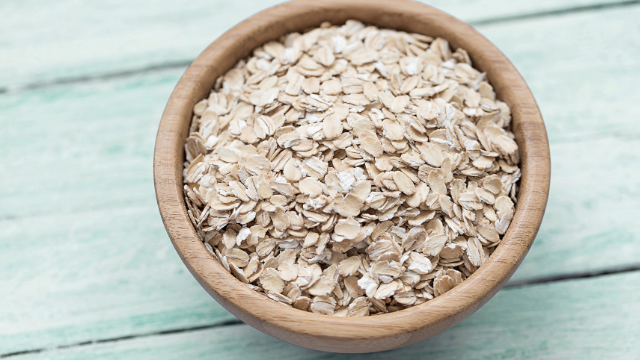
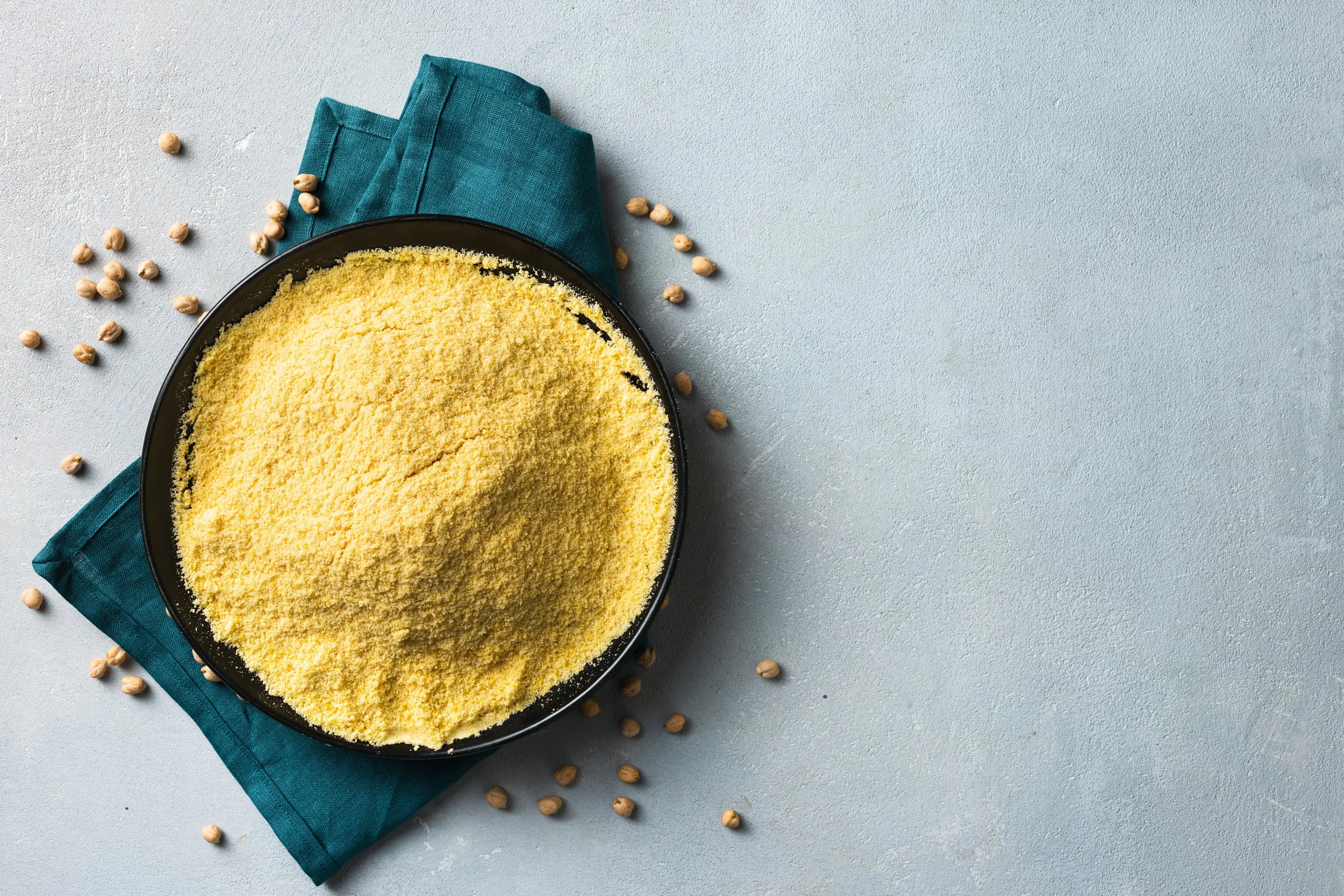
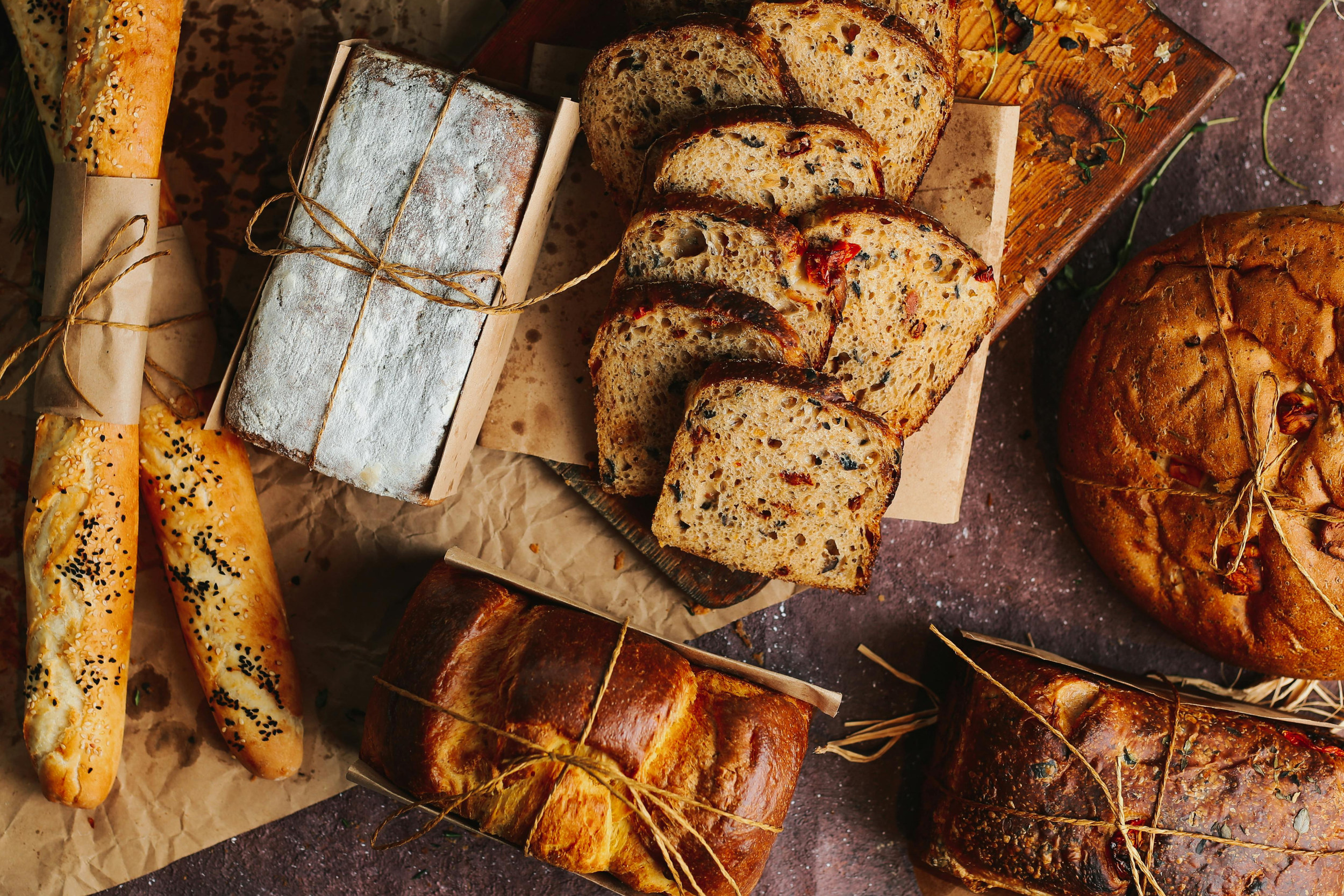
For this reason, perhaps the first port of call for any fibre related development should be less refined flours, pulses and grains, which tend to contain a variety of types of fibre in a single ingredient. Swapping a proportion of white flour for wholemeal or pulse flour in a bread formulation is a simple, cheap and effective way of boosting fibre, so is always a great place to start.
Cue the sound of a thousand bakers slapping their foreheads and bemoaning the fact that such an approach will impact the properties of a bread product. Many consumers desire a soft white dough, and when that is the aim, substituting in wholegrains will have a negative sensory impact. For this reason, adding more refined fibre ingredients definitely has a place, making soft white doughs healthier. Although wholegrains and bits can be just as effective at boosting fibre levels, sometimes we have to be realistic and accept that they are just not wanted from a product perspective.
If the food industry is serious about creating healthier food products, then it should work hard to harness the potential of the current trend for fibre. But with all the complexity, we should be aiming, where possible, to include many different types of fibre, in particular from wholegrains and pulses. To maximise the health impact of our foods, we should work hard to keep fibre as a useful measure, whilst ensuring that it does not become a restricting target.
About the Author
Anthony Warner, better known as The Angry Chef, is an award-winning science writer, broadcaster, and food communicator with a passion for separating nutrition fact from fiction. Trained as a developmental biologist, Anthony has become one of the UK's most respected voices on evidence-based nutrition, making complex food science accessible through his books, media appearances, and public speaking. His work focuses on helping consumers understand the science behind food, health, and nutrition without the myths, misinformation, or marketing hype.

The Breadology Evidence Base
A fully-cited, searchable research library covering bread, fibre, and gut health—built for dietitians, clinicians, food scientists, and industry professionals who need more than a summary.
Every answer here traces back to a real, evidence-tiered source: peer-reviewed trials, systematic reviews, and primary regulatory documents—never an uncited claim. Ask a question in plain language, or browse by topic.
Unlock our other articles.
-
![]()
Beta Glucans
Click here for more information on beta glucans
-
![]()
Types of fibre
Discover more about the types of fibre here
-
![]()
Fibre in action
Swaps and additions. We discuss Fibre in Action here
-
![]()
Food microstructure
Read our latest article on food microsturcture here
-
![]()
Pulse flours
Unlock the power of pulse flour here
-
![The history of bread]()
The history of bread
Click here for our latest discusion on the history of bread
-
![]()
Health benefits of fibre
Further information on the health benefits of fibre here