Beta Glucans
I am not a fan of food hyperbole. The idea of superfoods or miracle ingredients can be a potentially harmful message when it comes to health, distracting us from the need to eat a balanced and varied diet. But there are some foods that seem to be almost unreservedly great from a health perspective. There’s a good case for pulses and legumes. Oily fish. Perhaps a bit fermented dairy. Generally speaking however, we do well not to idolise or revile any food in particular.
But if we are going to call anything a superfood, there is very strong case for beta glucans. Found in oats and barley, this type of fibre comes with a huge amount of evidence to suggest that we should be eating plenty of it every day. But what exactly are beta glucans? And is the story quite as simple as is made out?
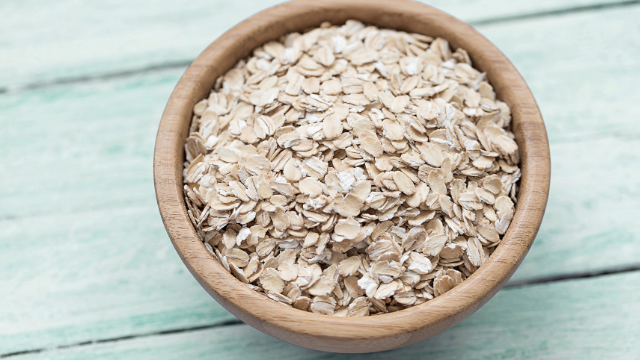
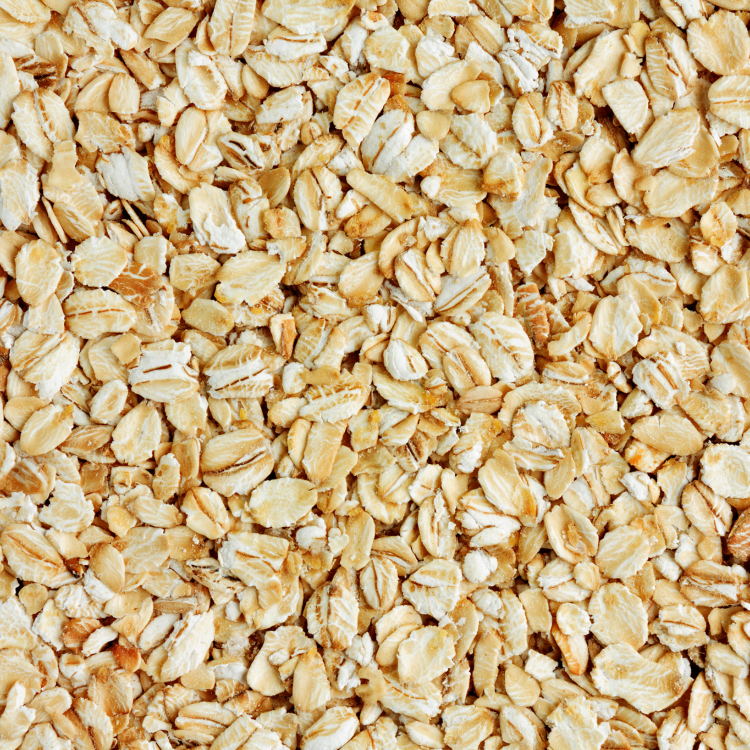
Beta Glucans are a type of carbohydrate found within the cell walls of oats and barley. Because of a unique chemical structure, they are more soluble than many types of plant fibre and form strong gels in our stomach and intestines when we eat them.
The ability of beta glucans to form these gels gives them a host of health benefits. Then can increase feeling of satiety, meaning that you will tend to feel fuller for longer after eating. The gels can also slow the absorption of glucose, meaning that they help reduce blood glucose spikes after eating.
Perhaps even more importantly, beta glucan gels are thought to bind bile salts and help them move through our digestive tract. This stimulates the production of more bile salts, a process that uses up cholesterol from our blood. For this reason, products with enough beta glucans are legally allowed to carry a claim that they lower cholesterol and are beneficial to heart health.
In short, beta glucans from oats and barley can help us eat less, feed our microbiome, prevent heart disease and lower glucose spikes. They have the potential to make all of our diets healthier, and they are readily available in cheap and easily consumed foods.
There is no doubt that eating more oats and barley would be hugely beneficial changes to most people’s diets. But before we get too carried away, it is worth noting that lots of other substances, in particular fibres from plants, form gels in our guts and probably have similar impacts. Beta glucans are relatively easy for scientists to categorise and study, and there is an argument that this drives a lot of the focus on them. Although we should definitely strive to include them in our diets, that should not be at the expense of other healthy foods.
Although we should always be cautious about idolising anything as a superfood, that does not alter the fact that oats and barley contain some substances that are really beneficial for our health. What’s even better is that they are cost effective ingredients used in many commonly eaten foods, meaning that including them in our diets is realistic and achievable. For anyone looking to eat well, they are certainly not the worst place to start.
QUESTIONS, ANSWERED PLAINLY.
Fifty of the things people most often ask us about bread, fibre, gut health and nutrient density — written in plain English, grounded in evidence.
About the Author
Anthony Warner, better known as The Angry Chef, is an award-winning science writer, broadcaster, and food communicator with a passion for separating nutrition fact from fiction. Trained as a developmental biologist, Anthony has become one of the UK's most respected voices on evidence-based nutrition, making complex food science accessible through his books, media appearances, and public speaking. His work focuses on helping consumers understand the science behind food, health, and nutrition without the myths, misinformation, or marketing hype.

Unlock our other articles.
-
![]()
Beta Glucans
Click here for more information on beta glucans
-
![]()
Types of fibre
Discover more about the types of fibre here
-
![]()
Fibre in action
Swaps and additions. We discuss Fibre in Action here
-
![]()
Food microstructure
Read our latest article on food microsturcture here
-
![]()
Pulse flours
Unlock the power of pulse flour here
-
![The history of bread]()
The history of bread
Click here for our latest discusion on the history of bread
-
![]()
Health benefits of fibre
Further information on the health benefits of fibre here