A Short history of the sandwich
We tend to credit one Englishman: John Montagu, the 4th Earl of Sandwich, who in the 1760s supposedly called for beef between two slices of bread so he could keep gambling without leaving the table. His friends ordered “the same as Sandwich,” and the name stuck.
But the Earl only named it — he didn’t invent it. Wrapping food in bread is far older. In the 1st century BC, the rabbi Hillel the Elder folded bitter herbs between pieces of matzo at Passover, a “Hillel sandwich” still eaten today. In medieval Europe, thick slabs of stale bread called “trenchers” served as edible plates for meat and juices. Rolling bread around a filling was ancient practice across the Ottoman and Mediterranean world — quite possibly where the well-travelled Earl first got the idea. Food historians largely agree the sandwich was never really invented at all. It was the natural answer to an old human need: a meal you can carry in one hand.
From the gaming table to grab-and-go
The sandwich’s biggest modern leap came in Britain. In 1980, an assistant at the Marks & Spencer store on Marble Arch in London wrapped up leftover sandwiches from the in-store café and put them out for sale. They vanished within minutes. M&S spotted the opportunity, and the chilled, pre-packed sandwich was born — a format that has since spread to chillers and lunch counters around the world.
Others soon built on the idea. The name Pret a Manger came from Jeffrey Hyman, who first used it for a Hampstead shop in 1984; when that early venture folded, he sold it to college friends Julian Metcalfe and Sinclair Beecham, who relaunched the brand on London’s Victoria Street in 1986. They hadn’t invented the ready-made sandwich — M&S had beaten them to it by six years — but they pioneered a different approach: fresh sandwiches made by hand on-site each day, sold with a deli’s care. Between them, the supermarket and the sandwich shop turned lunch into a global industry — Pret alone now trades in around twenty countries.
Today the appetite is enormous, and worldwide. In the United States, the average person eats close to 200 sandwiches a year; in Britain alone, more than 11.5 billion are eaten annually, according to the British Sandwich Association — around half of them shop-bought rather than made at home.
And the extremes are spectacular. The largest sandwich ever made, verified by Guinness World Records in Michigan in 2005, weighed 2,467.5 kg — over 1.6 tonnes of that being bread alone.
The signature slice
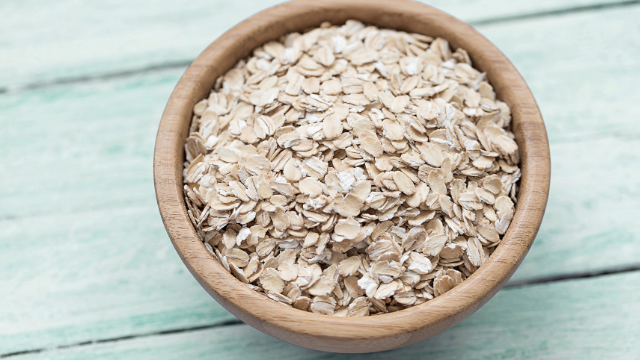
Wherever the sandwich has travelled, it has taken on the local loaf — the baguette in France, ciabatta in Italy, rye across much of northern Europe. In Britain, the packaged sandwich found its defining bread in the soft, malty, lightly grainy brown loaf you’ll recognise from any supermarket chiller. Its proper name is malted wheat grain bread — Wheat flour studded with toasted, malted wheat flakes — and it became the carrier of choice there because it holds a moist filling beautifully, keeps its structure through a chilled shelf-life, and brings a gently nutty, malty character all of its own.
Many people call it “Granary,” but strictly that’s a brand, not a bread type. Granary® is a registered trademark now owned by Hovis — a brand Rank Hovis acquired in 1982 — so a loaf is only truly Granary if Hovis baked it. The style itself is said to trace back to the monks of Burton Abbey, who found that gently toasting the wheat flakes used in their brewing gave the bread its distinctive malty sweetness.
The ingredient that made it all possible
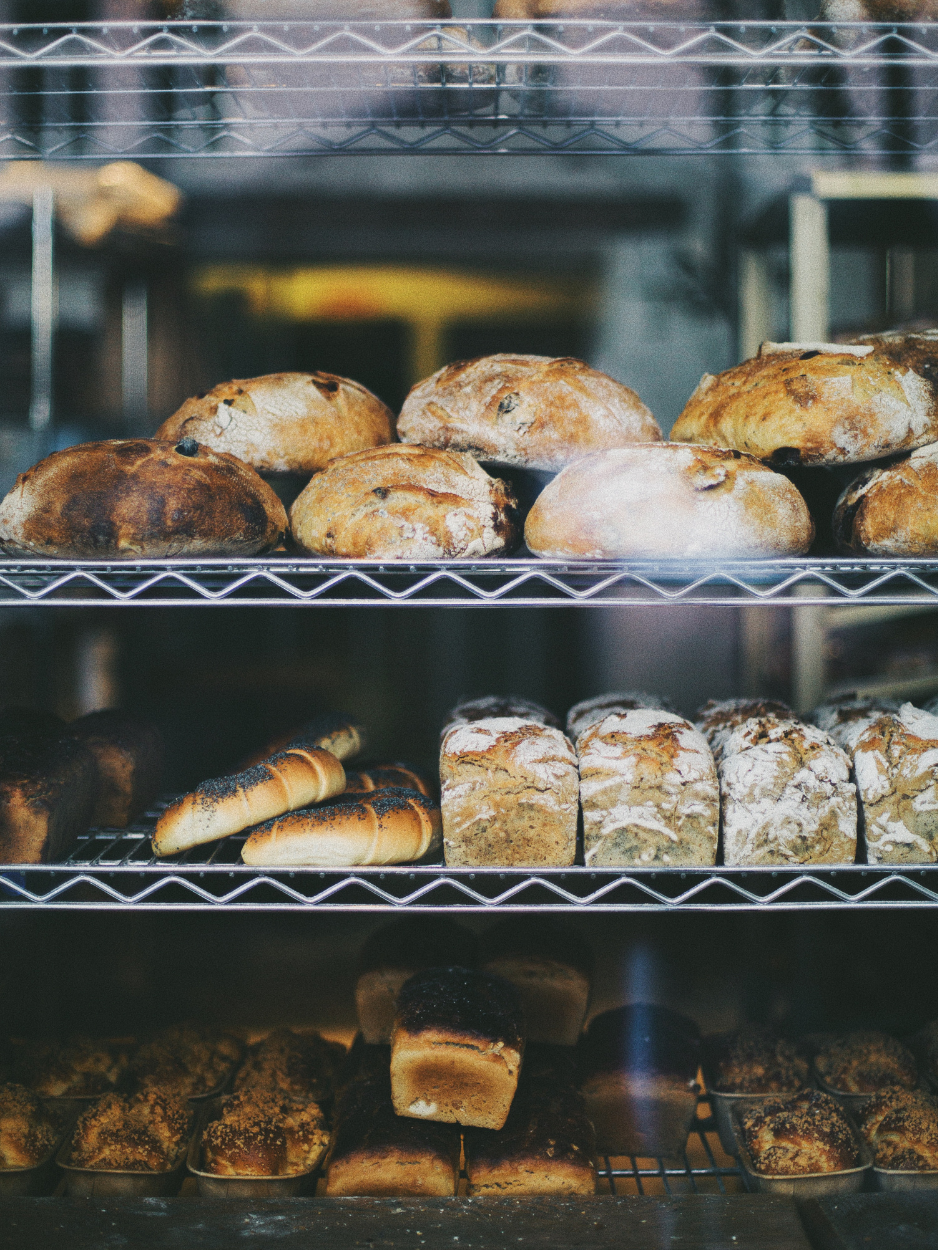
Through every version of this story, one thing does the quiet, generous work: the bread. It holds the meal together, makes it portable, and nourishes too. The evidence is especially strong for whole grain: a major analysis in The BMJ found that around three servings a day was linked to a 22% lower risk of cardiovascular disease, with wider reviews connecting whole grains to lower rates of type 2 diabetes and several cancers. Much of the credit goes to the fibre, vitamins and minerals held in the bran and germ — which is why a wholemeal or malted loaf makes such a nourishing base for a sandwich.
Two thousand years on, the humble sandwich is still going strong — and, built on good bread, it’s doing your heart a quiet favour too.
Sources: Guinness World Records; British Sandwich Association; Marks & Spencer; Pret a Manger; Hovis; Aune et al., The BMJ (2016); History.com; PBS Food.
Unlock our other articles.
-
![]()
Beta Glucans
Click here for more information on beta glucans
-
![]()
Types of fibre
Discover more about the types of fibre here
-
![]()
Fibre in action
Swaps and additions. We discuss Fibre in Action here
-
![]()
Food microstructure
Read our latest article on food microsturcture here
-
![]()
Pulse flours
Unlock the power of pulse flour here
-
![The history of bread]()
The history of bread
Click here for our latest discusion on the history of bread
-
![]()
Health benefits of fibre
Further information on the health benefits of fibre here