
“Foods where the cell structure is kept intact (e.g. wholegrains, kibbled grains, whole pulses) produce a slower glucose response than finely milled flours.”
Food microstructure
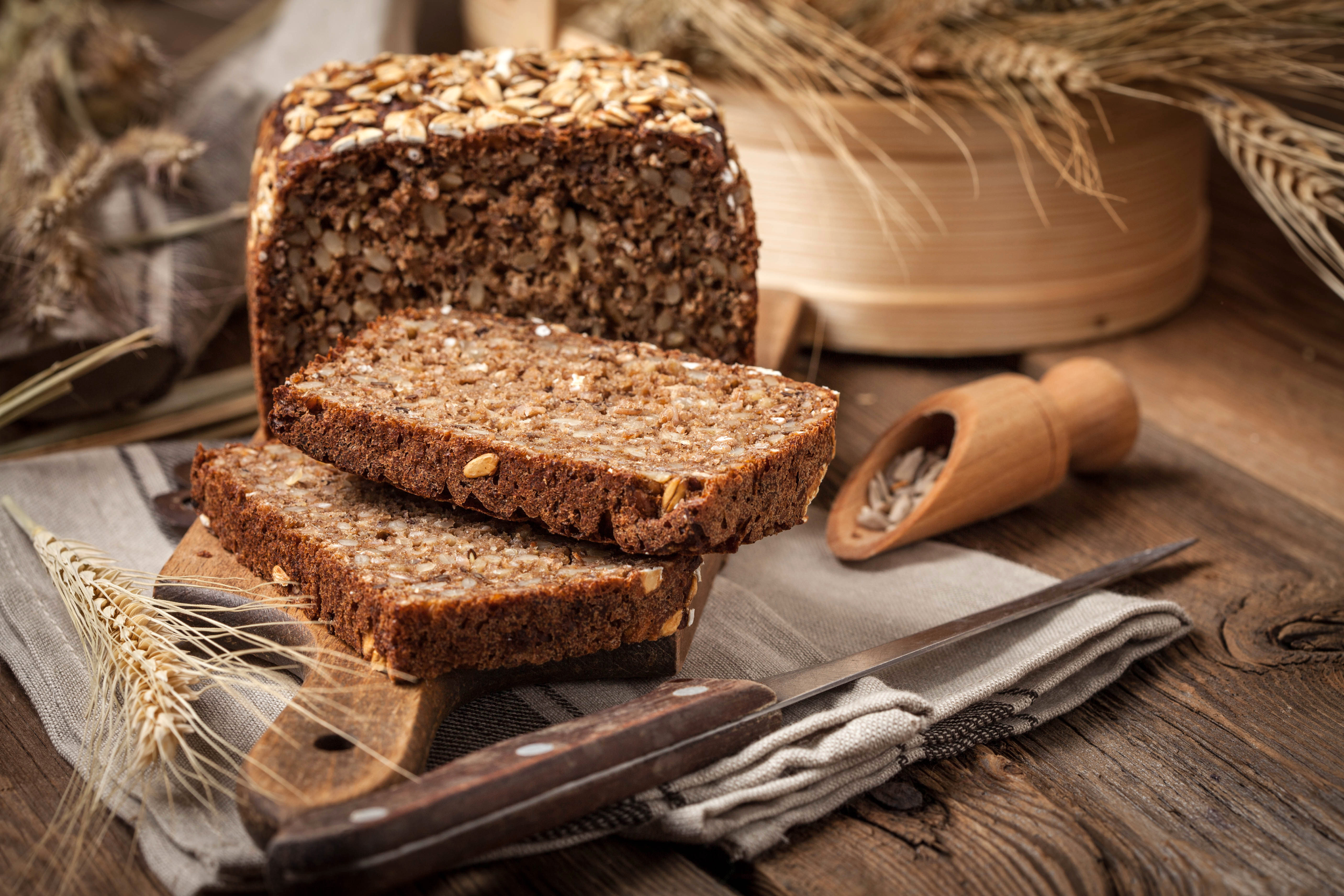
There is no more impassioned debate in the world of food right now than the one regarding the harms and merits of food processing. In one camp, many people believe that the processing of food is inherently harmful, particularly when it comes to so-called ultra-processed foods. In another camp, healthfulness is defined entirely by the nutritional composition – how much fibre, protein, fat, saturated fat, salt, sugar and other nutrients something contains.
If I had to pick a side, I would favour nutrient composition, grounded as it is in decades of nutrition research. In my view, the concept of Ultra Processing oversimplifies a complex reality, demonising some perfectly healthy foods and giving many less healthy items an undeserved free pass. If someone is eating a 6-ounce, 20% fat beef burger covered in mounds of melted cheese and they are mostly worried about how processed the bun is, then the classification system has some obvious flaws.
But equally, there is a good argument that only considering nutrient composition is also a significant oversimplification. Away from the impassioned debates and arguments, this is one of the most interesting and dynamic areas of nutrition science. Because it seems that the so-called ‘microstructure’ of food has a significant impact on how healthy something is.
This is not completely new news. It has long been understood that our bodies react differently to the sugar in an apple than they do to the same amount of sugar in apple juice, because the sugar in whole fruit is held within a matrix of fibre and other important nutrients. But it increasingly seems that at a much smaller level, the structure of individual plant cells has a large effect on the absorption of many different nutrients, something likely to have a strong impact on our health.
This is shown in the slightly surprising influence that processing can have on the amount of fibre in a food. Although fibre is generally spoken about as substance, in someways it is better thought of as a property of how digestible carbohydrates are, which can be strongly influenced by the processing an ingredient undergoes. A wholegrain such as barley or wheat might have 20g of fibre when tested, but when that same grain is made into a finely ground flour, the amount can fall to as low as 10-12g. Same ingredient, different amounts of fibre, entirely caused by physical processing.
These differences will impact how our bodies respond; although the flour is still a healthy choice, the carbohydrates within it will be digested far more quickly than the unprocessed grain. That’s because in the grain they are locked up inside plant cells, but when the cell walls are broken up during milling, the nutrients suddenly become more available.
Breaking up this microstructure has an impact on how quickly glucose is absorbed into our bloodstream. Foods where the cell structure is kept intact (e.g. wholegrains, kibbled grains, whole pulses) produce a slower glucose response than finely milled flours. Not only does this mean that blood glucose does not spike as much, it also implies that these whole cells are likely to move down through our digestive system, passing nutrients into the intestines and colon where they can feed the microbiome.
In short, although it is a relatively new area of study, it does seem that processing can have an impact on the healthfulness of food independent of its nutritional composition. Of course, this impact is nuanced, and the concept of ultra processing is still a vast over-simplification. For a start, reducing or altering the process of a flour can transform the impact it has, especially if the plant cells are kept intact, strengthening the case that all ultra processed foods should not be considered equal. And it is important to note that we do not always want foods to be less digestible; in many cases it is important to provide nutrition in palatable and digestible forms, making processing a benefit.
But we do know that it is not enough just to consider the amount of specific nutrients when defining how healthy a food is. Structure matters, so we need to understand the nature of the processing a food undergoes. As a rule, we should probably try and focus on less processed ingredients where we can, ensuring that we still eat a balanced diet. But as our understanding increases, it should open the way to new, exciting and healthier food products for everyone.
About the Author
Anthony Warner, better known as The Angry Chef, is an award-winning science writer, broadcaster, and food communicator with a passion for separating nutrition fact from fiction. Trained as a developmental biologist, Anthony has become one of the UK's most respected voices on evidence-based nutrition, making complex food science accessible through his books, media appearances, and public speaking. His work focuses on helping consumers understand the science behind food, health, and nutrition without the myths, misinformation, or marketing hype.

This months feature
Anthony Warner discusses “The Danish Wholegrain Partnership”
The Breadology Evidence Base
A fully-cited, searchable research library covering bread, fibre, and gut health—built for dietitians, clinicians, food scientists, and industry professionals who need more than a summary.
Every answer here traces back to a real, evidence-tiered source: peer-reviewed trials, systematic reviews, and primary regulatory documents—never an uncited claim. Ask a question in plain language, or browse by topic.