Resistant starch.
Resistant starch is a type of fibre currently experiencing a flurry of interest among scientists, nutritionists and food manufacturers for its benefits to gut health and blood glucose response.
Starches are large carbohydrate molecules found in plants such as potatoes and cereals (like wheat and oats) as well as pulses like beans and lentils. They are made up of thousands of glucose molecules and are an efficient way for plants to store plenty of energy in a small space. Most starches are digestible and are broken down rapidly in the stomach and small intestine to produce glucose, which is absorbed and used for energy release, or stored.
On the other hand, resistant starch remains undigested, reaching the large intestine (colon) where it feeds the trillions of microbes contained there.
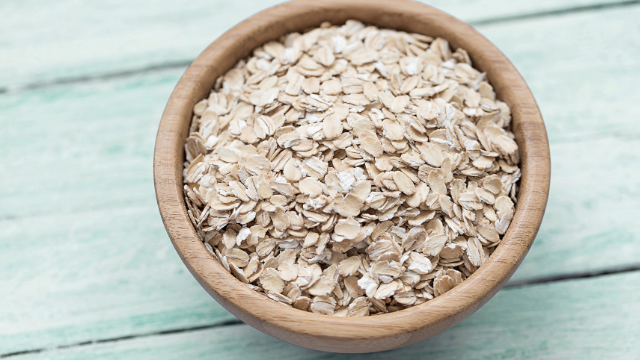
Key food examples that contain resistant starch include wholegrains, pulses, as well as rice, pasta and potatoes (if cooked and cooled), dried pasta (after cooking), and unripe bananas.
Why is resistant starch less easily digested?
There are various reasons why starch may be resistant to digestion.
1. It can be physically inaccessible, for instance when it is locked within seeds, whole grains, or the intact whole cells. Fine milling can make this type of starch more accessible to digestion in the small intestine.
2. Or sometimes the starch chains are arranged in structures that are resistant to the enzymes in the small intestine, such as those found in underripe bananas and raw potatoes.
3. It may become resistant on cooking and cooling, as the chains of starch coil around one another and become fixed, as is seen in potatoes, rice, pasta and oats which are cooked and subsequently eaten cold.
4. It may have been chemically modified for use in some drinks or baked goods like bread and cake.
5. Finally, it may be a combination of starch molecules with fat, which again forms a structure that evades digestion in the small intestine.
Benefits of resistant starch
Many of the benefits of resistant starch are thought to come from its fermentation in the colon to produce SCFA. More research is needed but the current evidence base suggests that resistant starch can have the following effects:
· Increase stool bulk and reduce intestinal transit time
· Have a prebiotic effect by acting as a food for beneficial bacteria in the colon, such as Bifidobacteria species
· When our microbiome digests resistant starch, short chain fatty acids (SCFA) are formed, which can benefit the cells of the gut and have immune benefits
· These SCFA also increase the acidity of the gut which may lower the risk of colorectal cancer
· Reduce the glycaemic response i.e. the blood glucose rise following a meal (as long as resistant starch is at least 14% of the total starch content of the meal). It can therefore have potential for the management of diabetes
· Have cholesterol reducing benefits, although studies are somewhat equivocal and the effects may vary between different types of resistant starch
Resistant starch has the potential to deliver numerous benefits to health, but we currently need more research to confirm that potential, and on the dose required to deliver these benefits. It’s likely that current population intake falls very short of the necessary amount but, with the development of functional ingredients by manufacturers, product innovation may make consuming more resistant starch easier and more palatable.

The history of bread



Unlock our other articles.
-
![]()
Beta Glucans
Click here for more information on beta glucans
-
![]()
Types of fibre
Discover more about the types of fibre here
-
![]()
Fibre in action
Swaps and additions. We discuss Fibre in Action here
-
![]()
Food microstructure
Read our latest article on food microsturcture here
-
![]()
Pulse flours
Unlock the power of pulse flour here
-
![The history of bread]()
The history of bread
Click here for our latest discusion on the history of bread
-
![]()
Health benefits of fibre
Further information on the health benefits of fibre here